Upgrade Your Space: Top Home Remodeling Tips From Expert Builders
Home remodeling can be a complex endeavor, often fraught with complications. Expert builders underscore the importance of determining transparent targets and a realistic financial plan. Selecting the right professionals is vital for realizing a vision in practice. Additionally, stylistic choices should prioritize functionality and circulation. With these foundational factors in mind, one can navigate the refurbishment process more smoothly. But what concrete techniques can assure a victorious transformation?
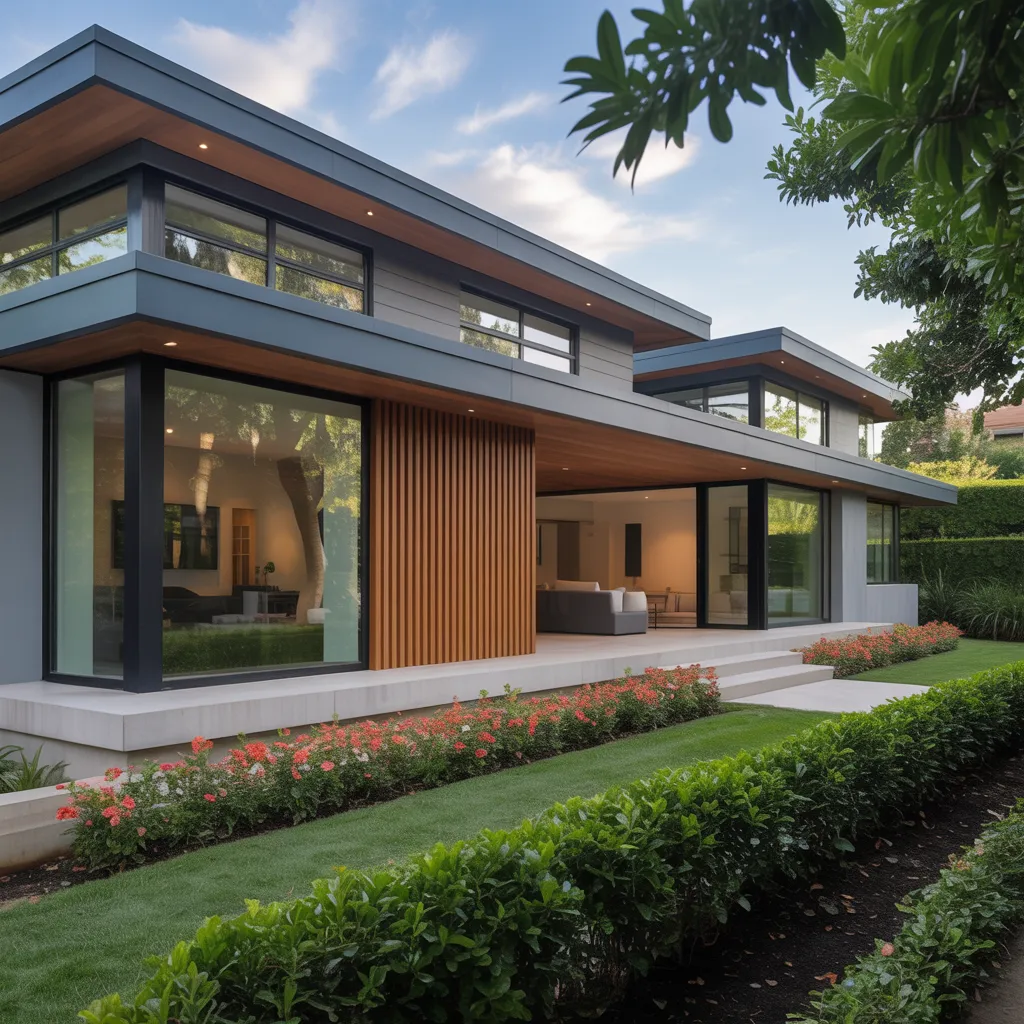
Set Your Goals and Essential Tasks
Setting targets and emphases is essential in the home restoration undertaking. This opening stage establishes a clear vision for the undertaking, informing all subsequent choices. Homeowners must determine their requirements, accounting for factors such as functionality, aesthetics, and enduring benefits. Identifying specific objectives, such as creating more room for entertaining or boosting energy performance, enables for a concentrated method.
Prioritization is equally vital. It assists in differentiating between must-have features and those that can be adjusted or deferred. By categorizing desires based on importance, homeowners can guarantee that their renovation work align with their overall values and dreams.
Furthermore, well-defined objectives can improve effective communication with contractors and designers, ensuring that all parties are on the same page. Ultimately, strategic preparation at this stage fosters a smoother remodeling experience, limiting potential setbacks and facilitating a successful renovation of the living space.
Create a Realistic Budget
Setting a practical financial plan is a essential component of any home remodeling undertaking. It functions as a foundation for decision-making and helps prevent overspending. Homeowners should begin by assessing their monetary circumstances, including savings and potential financing options. This assessment allows them to create a financial plan that matches their goals and preferences.

Next, it is necessary to establish a detailed cost analysis of expenses, including materials, labor, permits, and additional unforeseen costs. Industry experts propose setting aside an additional 10-20% of the spending plan for unexpected circumstances, as unanticipated issues can develop during remodeling.
Additionally, property owners should evaluate average costs for their targeted renovations to substantiate their budget is in line with market rates. By upholding transparency and flexibility within the budget, property owners can skillfully coordinate their construction projects while fulfilling their wanted goals. Formulating a realistic budget finally fosters a smoother remodeling experience and elevates overall satisfaction.
Determine the Perfect Team Members
Choosing the right specialists is vital for the completion of any home renovation project. Residents should commence by exploring local contractors, architects, and designers to find those with excellent reputations and relevant experience. Checking reviews, portfolios, and references can deliver insight into their work excellence and trustworthiness.
It's also vital to confirm that selected contractors are adequately licensed and insured, which safeguards homeowners from possible liabilities. Conducting comprehensive interviews will help assess their communication approach and capacity to match with the homeowner's vision.
Setting clear expectations regarding timelines, budgets, and results is vital to avoid miscommunications. Homeowners should locate professionals who are not only competent but also exhibit a commitment to collaboration and clarity. Ultimately, the right team will not only execute the vision effectively but also enhance the renovation journey, instilling confidence throughout the undertaking.
Organize for Capability and Progression
In home renovation, planning for functionality and flow is crucial for designing a harmonious living space. Efficient space usage optimizes every square foot, while guaranteeing easy navigation enhances daily activities. Together, these elements contribute to a welcoming and orderly environment.
Optimize Space Utilization
As you begin a home remodeling project, prioritizing space efficiency can substantially improve both functionality and flow. Professional builders emphasize the importance of examining each area to determine its primary purpose. This involves adopting multifunctional furniture, like foldable tables or built-in storage, which can greatly optimize limited spaces. Additionally, open layouts can create a smooth shift between rooms, permitting for a more roomy feel. Strategic positioning of furniture can also enhance the overall layout, making sure that each room fulfills its planned function without congestion. By methodically organizing the flow of movement and accessibility, homeowners can create a balanced environment that optimizes the use of space while sustaining a attractive aesthetic. Finally, strategic planning can revolutionize any area into a more efficient living space.
Make Movement Easy
Efficient movement throughout a home is vital for maximizing everyday functionality and movement patterns. When starting a remodel, it is essential to evaluate the layout and navigability of spaces. Open floor plans often allow easier passage, letting occupants to travel between rooms smoothly. Deliberate positioning of doorways, furniture, and fixtures can additionally improve circulation, reducing impediments. Designers recommend keeping clear pathways, ideally at least 36 inches wide, to assure comfortable navigation for all users, including those with mobility challenges. Moreover, strategic organization of spaces—such as separating living areas from workspaces—can enhance functionality. By focusing on ease of movement, homeowners can create a balanced environment that enables daily activities and promotes a sense of order throughout the space.
Optimize Room Through Smart Layout
Strategic design plays an important role in maximizing space within a house, as it allows for both functionality and aesthetics to coexist seamlessly. Seasoned builders recommend employing open floor plans to create a sense of openness, dismantling avoidable barriers between rooms. Versatile furnishings, such as a sleeper sofa or a storage ottoman, can also help to optimize limited areas, providing utility without sacrificing style.
Incorporating vertical storage solutions is another effective strategy, as storage units that extend to the ceiling draw the eye upward, improving the sense of height. Additionally, deliberate mirror placement can bounce light and create an illusion of depth, causing spaces to look bigger. Natural light is crucial; large windows or skylights can brighten spaces while enhancing the overall ambiance. Careful planning and design choices ultimately convert tight spaces into inviting, functional environments that meet contemporary lifestyle requirements.|Using vertical storage solutions represents another effective strategy, as shelves and cabinets that extend upward guide attention upward, improving the sense of height. Furthermore, deliberate mirror placement can reflect illumination and generate an illusion of space, causing spaces to look bigger. Natural light is vital; large windows or roof lights can brighten environments while improving the overall feel. Strategic layout and design choices ultimately reshape practical guide confined areas into welcoming, practical areas that support contemporary living standards.|Implementing vertical storage solutions serves as another valuable strategy, as storage units that climb to the ceiling attract the eye upward, enhancing the sense of height. In addition, intentional use of mirrors can spread illumination and develop an illusion of depth, expanding how spaces feel. Sunlight proves critical; sizable windows or skylights can fill spaces with brightness while boosting the ambient quality. Deliberate design and layout planning ultimately reshape limited spaces into delightful, operational environments that fulfill contemporary needs.|Adopting vertical storage options constitutes another efficient approach, as storage units and shelves that ascend upward elevate visual focus, maximizing the sense of height. Concurrently, careful mirror positioning can diffuse illumination and manufacture spatial illusion, amplifying how expansive areas appear. Ambient light is paramount; grand windows or roof openings can infuse spaces with light while improving the overall aesthetic. Intentional design and spatial planning fundamentally reimagine confined spaces into appealing, functional settings that accommodate contemporary lifestyle expectations.
Pick Fine Supplies and Finishes
Choosing excellent finishes and materials is vital in home renovation, as it directly impacts both permanence and aesthetic appeal. Expert tradespeople recommend opting for materials that not only uplift the visual presentation of the space but also withstand the test of time. For instance, hardwood flooring offers longevity and comfort, while superior countertops lift kitchen aesthetic value and functionality.
Moreover, finishes including paint and fixtures should be selected carefully. Opting for paint with high longevity can reduce wear and tear, while quality-focused fixtures can deliver a refined finish that suits the overall design. Likewise, it is advisable to examine eco-friendly options that foster a healthier living environment. Investing in quality materials and finishes eventually pays off, as it can increase property value and reduce maintenance expenses over time. By concentrating on these components, homeowners can create a lasting and beautiful space that satisfies their needs.
Don't Forget Lighting
Lighting plays a vital role in home remodeling, often impacting both aesthetics and functionality. Employing layered lighting techniques can improve the atmosphere of a space, while optimizing natural light can make rooms feel more airy and appealing. These factors are crucial for creating a properly arranged setting that meets both functional and psychological needs.
Layered Lighting Methods
In remodeling projects, homeowners often focus on aesthetics and functionality but underestimate the essential role that layered lighting plays in establishing a inviting atmosphere. Professional builders encourage including three kinds of lighting: ambient, task, and accent. Ambient lighting produces uniform illumination, laying down a base layer in every room. Specific task lighting, like under-cabinet lights or reading lamps, gives concentrated illumination for distinct activities. Accent lighting highlights architectural features or artwork, adding depth and interest. By combining these lighting techniques, homeowners can achieve a balanced and versatile environment. Additionally, adjustable fixtures, dimmers, and smart lighting systems allow for customization, ensuring the space can adapt to different moods and occasions. This thoughtful approach to lighting enhances both functionality and ambiance.
Natural Light Enhancement
Natural daylight serves an important role in enhancing the overall feel of a space, as it not only brightens rooms but also aids the health and well-being of those inside. Experienced builders recommend maximizing natural light by strategic window placement, ensuring that interiors get ample sunlight throughout the day. Using larger windows or glass doors can establish a seamless connection with the outdoors, further fostering openness. Additionally, applying mirrored surfaces, like mirrors and light-colored walls, can amplify the impact of natural light. Also, consider the orientation of the home; south-facing windows usually receive more sunlight. Lastly, keeping views clear will improve the natural light experience, making interiors feel more inviting and welcoming.
Remain Flexible and Adjustable Throughout the Process
The property renovation journey often unveils unforeseen complications, urging occupants to remain yielding and flexible. Changes can arise due to budget constraints, unexpected structural complications, or slowdowns in material dispatch. Such occurrences can be tiresome, but maintaining a positive mindset grants for creative solutions and secondary approaches.
Homeowners could explore the likelihood of reevaluating design plans or shifting timelines. Open communication with contractors is fundamental; raising concerns can lead to mutual solutions. Moreover, being flexible to guidance from builders and designers can maximize the overall quality of the project.
Being flexible means showing willingness to make concessions on certain aspects, which can lead to finding unexpected benefits. In the end, adapting to changes can produce a more satisfying and successful remodeling experience, changing not just the space but also the homeowner's perspective on the process itself.
Frequently Inquired Questions
What is the Timeline of a Typical Home Renovation Undertaking?
A standard home renovation project can require anywhere from a few weeks to several months, influenced by the project scope, home size, and contractor availability. Unexpected delays and planning factors may extend timelines.
Which Permits Are Necessary for Home Improvements?
Renovating your home typically requires authorizations for structural changes, electrical installations, plumbing alterations, and sometimes for cosmetic updates. Particular requirements differ depending on locality, so contacting local building authorities is essential for ensuring compliance with regulations.
How Can I Increase My Home's Selling Price Through Remodeling?
To boost a home's resale value through restoration, one should emphasize kitchen improvements, updated bathrooms, efficiency improvements, and curb appeal improvements, as these projects typically yield considerable returns in the real estate market.
What Common Pitfalls Should You Steer Clear Of During Home Renovation?
Standard problems when remodeling include underestimating budgets, omitting adequate planning, disregarding permits, selecting temporary aesthetics over permanent designs, and poor communication with contractors. Each misstep can lead to costly delays and unsatisfactory outcomes.
In What Ways Can I Stay Within My Budget Throughout Unforeseen Costs?
To remain within budget during unforeseen expenses, one should focus on a emergency reserve, carefully monitor expenses, modify project scope if essential, communicate openly with contractors, and consider alternative materials to mitigate financial strain.